Written-Off vs Repairable: How to Check a Car’s Damage History Before You Buy
A car that’s been written off can still legally end up back on the road, and that surprises a lot of buyers. The real question isn’t whether a vehicle was ever written off, plenty of well-repaired cars were, it’s which category it falls into, because that single distinction determines whether the car can be registered at all.
What Does “Written Off” Actually Mean?
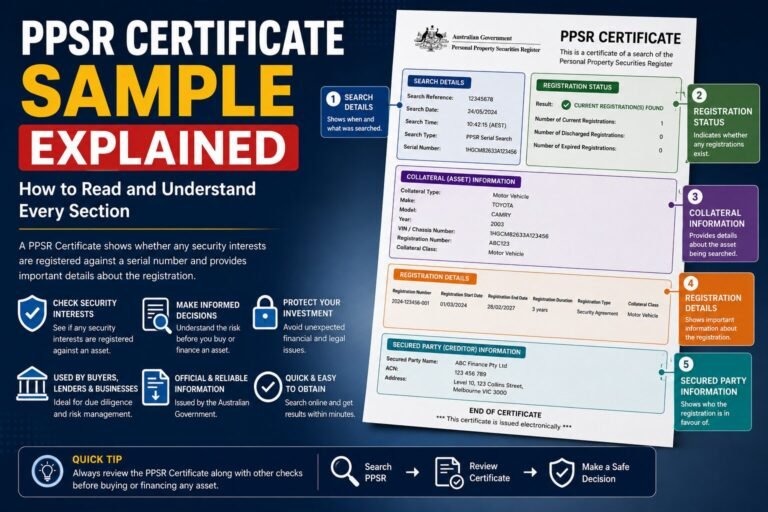
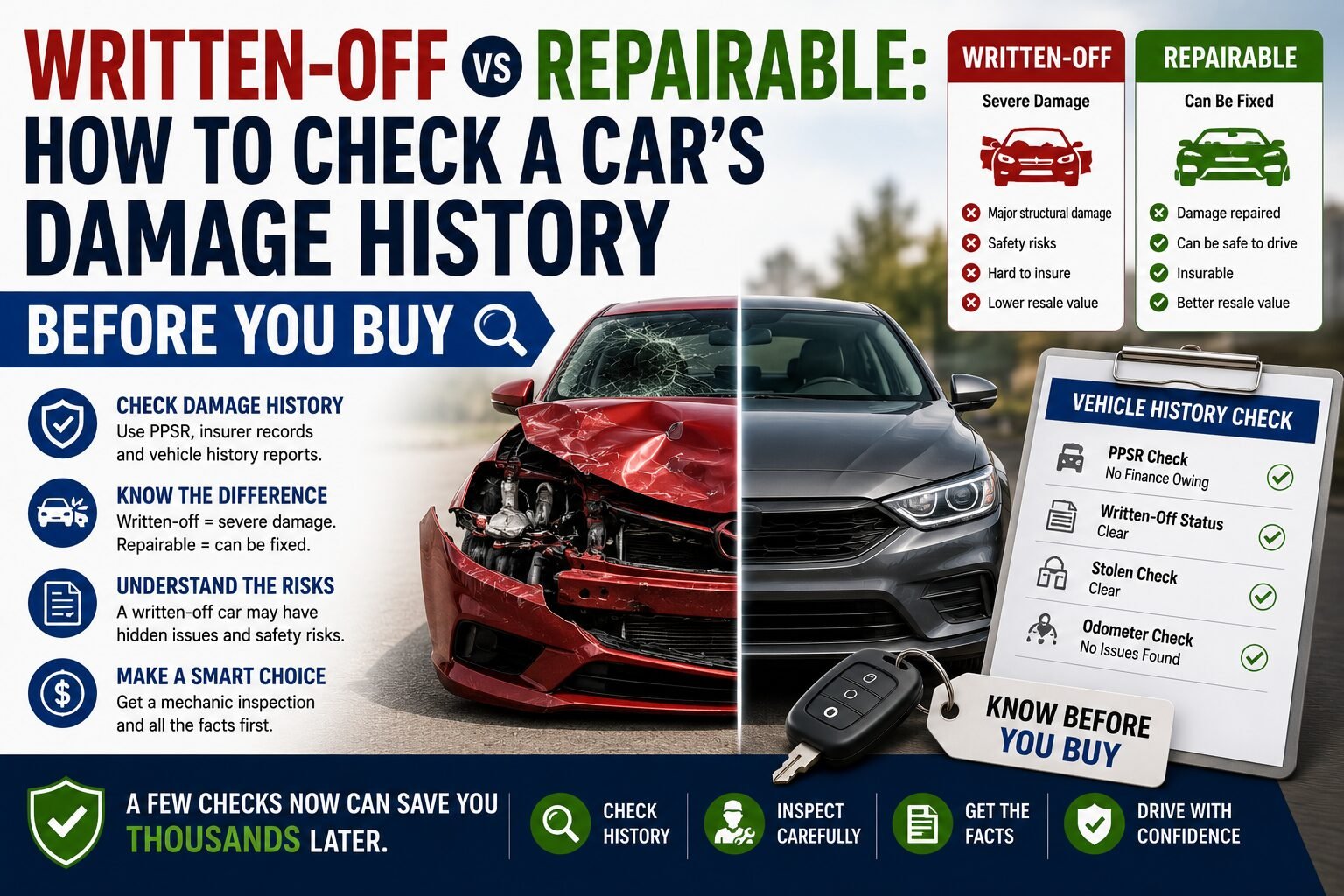
An insurer writes off a vehicle when the cost of repairs exceeds a set threshold relative to its value, or when the damage is severe enough that repair isn’t economical. That decision gets recorded on the Written-Off Vehicle Register, which links into PPSR results, but a write-off record doesn’t necessarily mean the car is unsafe or worthless. It means an insurer made a financial call at a specific point in time.
Statutory Write-Off: The Category That Ends the Road
A statutory write-off is the more serious classification. Vehicles in this category cannot legally be re-registered for road use in Australia under any circumstances, regardless of how well they’re repaired. These are typically vehicles with severe structural, frame, or safety-critical damage, often from fire, flood, or major collision. If a PPSR report shows a statutory write-off, that’s a straightforward reason to walk away from the purchase entirely.
Repairable Write-Off: The Category That Requires Scrutiny
A repairable write-off can legally return to the road, but only after the vehicle passes a state-based inspection confirming it’s roadworthy and, in most states, that the repairs and identity of the vehicle have been verified. Plenty of repairable write-offs are professionally restored to a genuinely safe standard. The risk isn’t the classification itself, it’s not knowing how the repair was actually done.
How to Check a Car’s Write-Off Status
- Run a PPSR search using the vehicle’s VIN, available through the checker on our homepage.
- Look specifically for a written-off vehicle notation and which category it falls into.
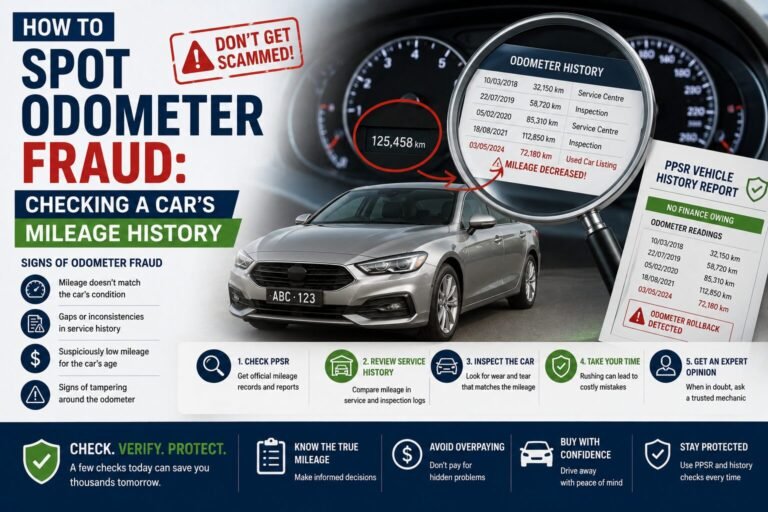
- Cross-check the result against the vehicle’s physical condition and service history.
- Request an independent mechanical and structural inspection regardless of what the report shows.
Questions to Ask If a Car Shows as a Repairable Write-Off
- What caused the original write-off, collision, hail, flood, or theft recovery?
- Who performed the repairs, and is there paperwork or invoices available?
- Has the vehicle passed the required state roadworthy or identity inspection?
- Will an independent mechanic inspect the structural repair before you commit?
Why the Damage Cause Matters as Much as the Category
Not all repairable write-offs carry the same risk. A car written off after hail damage that’s cosmetically repaired is a very different proposition to one written off after a structural collision. The write-off category tells you it can legally return to the road; it doesn’t tell you the full story of what was actually damaged and how it was fixed. That’s information you need to get directly from the seller and an independent inspector.
Frequently Asked Questions
Can a statutory write-off ever be registered again?
No, statutory write-offs cannot legally be re-registered for road use anywhere in Australia.
Is a repairable write-off automatically unsafe?
Not automatically, but it depends entirely on the quality of the repair and whether it passed the required inspection.
Does PPSR explain why a car was written off?
Generally no, it confirms the write-off status and category, but the specific cause usually needs to come from the seller or an inspection.
Should I get an inspection even if PPSR shows no write-off at all?
Yes, a clear PPSR result rules out registered finance and write-off records, but it’s not a substitute for a mechanical inspection.
Conclusion
The difference between a statutory and repairable write-off isn’t a technicality, it’s the difference between a car you should never register and one that might genuinely be fine. A PPSR search tells you which category applies; an independent inspection tells you whether the repair actually holds up. Skipping either step leaves a real gap in your due diligence.