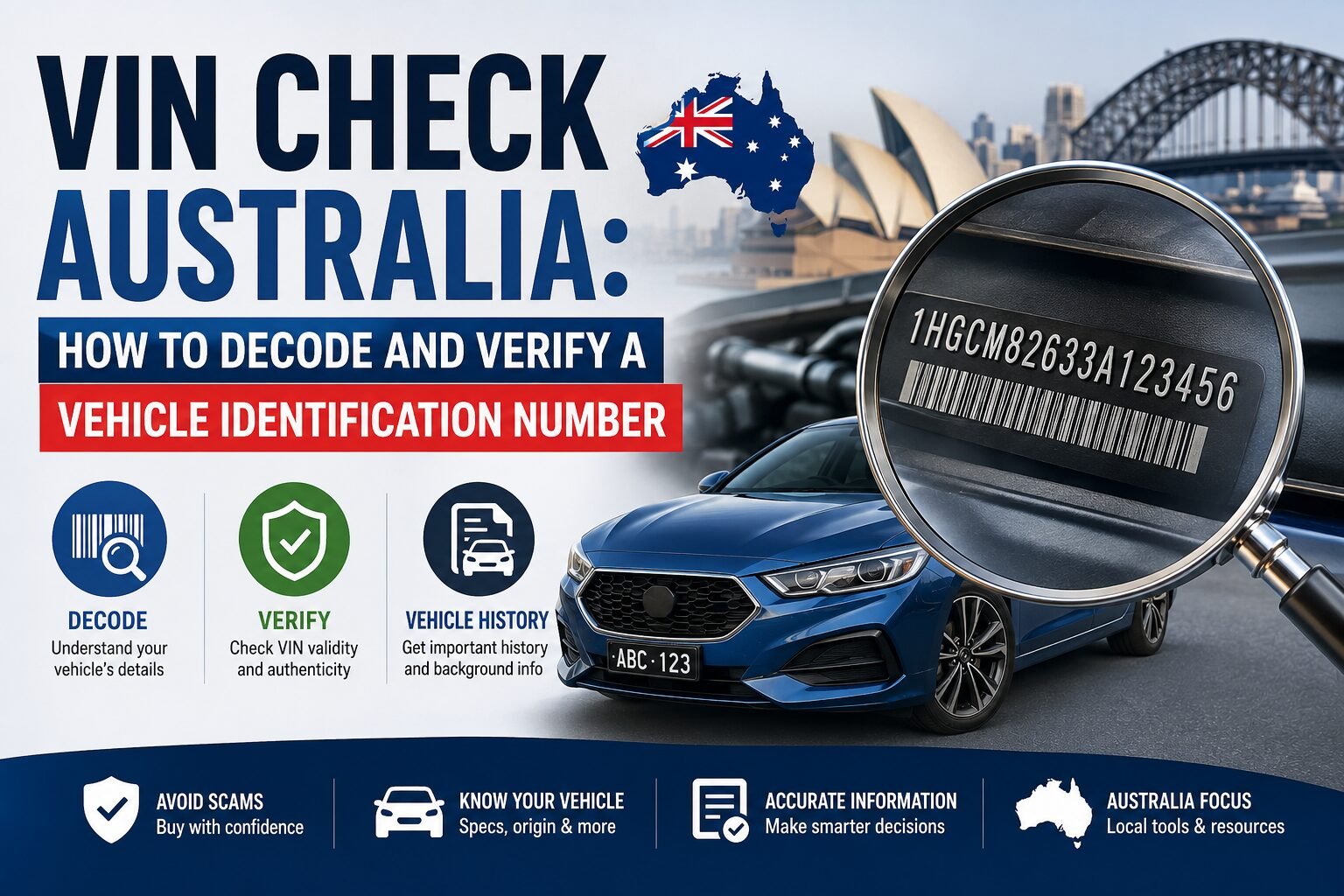
VIN Check Australia: How to Decode and Verify a Vehicle Identification Number
Every vehicle sold in Australia carries a unique 17-character Vehicle Identification Number, or VIN. Knowing how to read and verify it is one of the simplest ways to protect yourself when buying a used car.
What Is a VIN and Why Does It Matter?
The VIN acts like a fingerprint for the vehicle, encoding details about the manufacturer, model, features and production year. It appears on the compliance plate, the windscreen, the engine bay, and in official paperwork, and every instance should match exactly.
How to Decode a VIN (17-Character Breakdown)
- Characters 1-3: World Manufacturer Identifier (WMI), showing the maker and country of origin.
- Characters 4-8: Vehicle Descriptor Section (VDS), covering model, body type and engine.
- Character 9: A check digit used to detect invalid or altered VINs.
- Characters 10-17: Vehicle Identifier Section (VIS), including model year and the unique serial number.
How to Verify a VIN Is Genuine
- Check the VIN plate is riveted flat with no overspray, re-drilling or mismatched fonts.
- Compare the compliance plate VIN with the number stamped into the engine bay or chassis.
- Confirm the VIN on the windscreen etching, if fitted, matches the paperwork.
VIN Check vs PPSR Check: What’s the Difference?
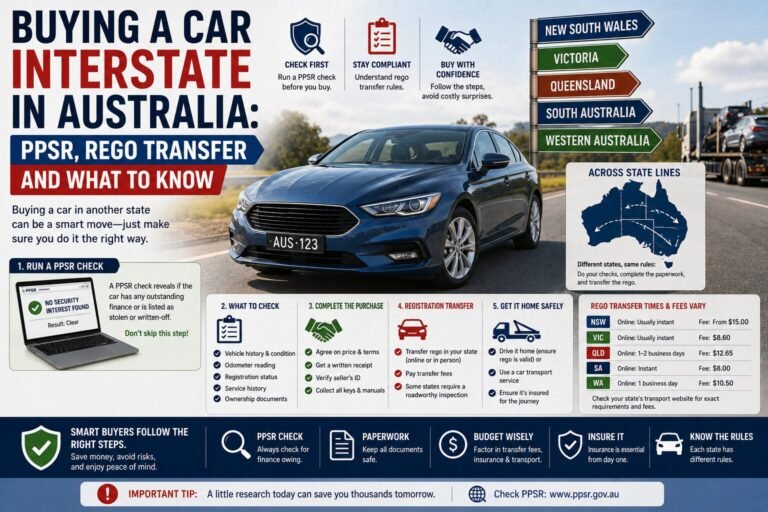
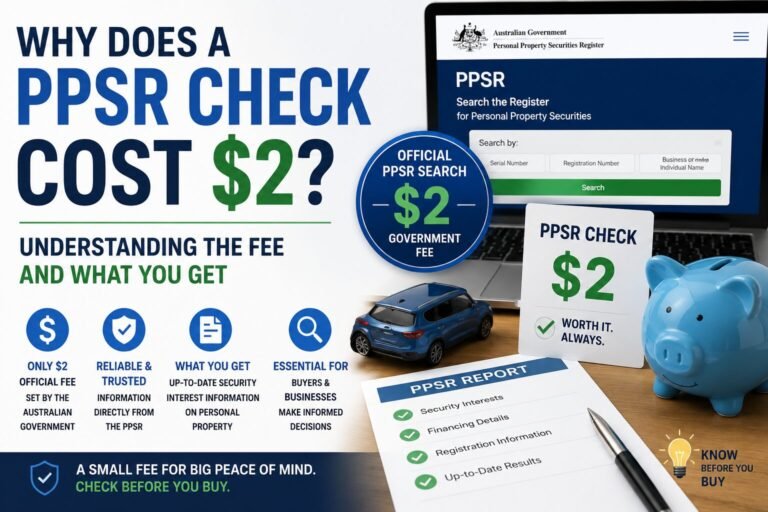
A VIN check confirms the identity and authenticity of the vehicle itself, while a PPSR check uses that same VIN to search for registered finance, write-off status and other security interests. Running a PPSR search is the natural next step once you have verified the VIN is genuine.
Common VIN Tampering Red Flags
- Scratches, dents or fresh paint around the VIN plate.
- Numbers that appear re-stamped, uneven or a different font to factory stamping.
- A VIN that returns no result or an unrelated vehicle when searched.
Frequently Asked Questions
Where can I find the VIN on a car?
Common locations include the compliance plate under the bonnet, the lower corner of the windscreen, the driver’s door frame, and stamped into the chassis rail.
Is a VIN check the same as a PPSR check?
No. A VIN check verifies the vehicle’s identity, while a PPSR check searches that VIN against a national register for finance and other interests.
What does it mean if VIN numbers don’t match?
Mismatched VINs are a serious warning sign of tampering, cloning or an accident repair using parts from another vehicle, and the purchase should not proceed.
Conclusion
Learning to read and verify a VIN takes only a few minutes but can save you from a costly mistake. Once you have confirmed the VIN is genuine, run a free PPSR check to see what is registered against the vehicle.