What Happens If You Skip a PPSR Check? Real Risks and Case Scenarios
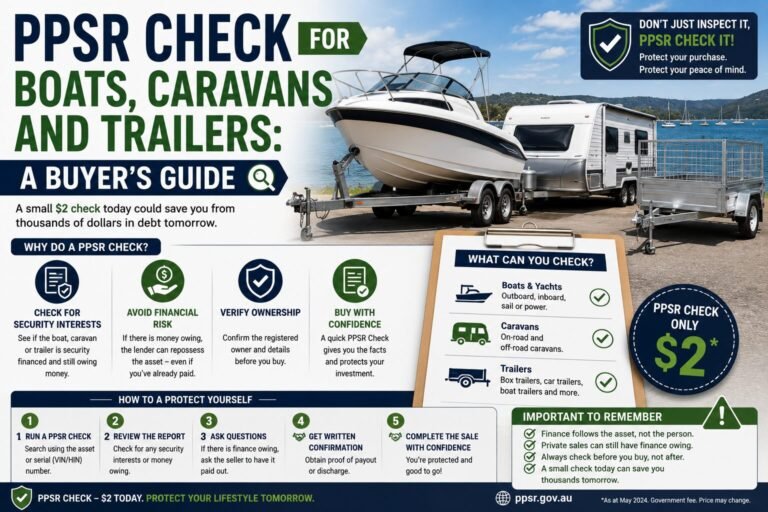
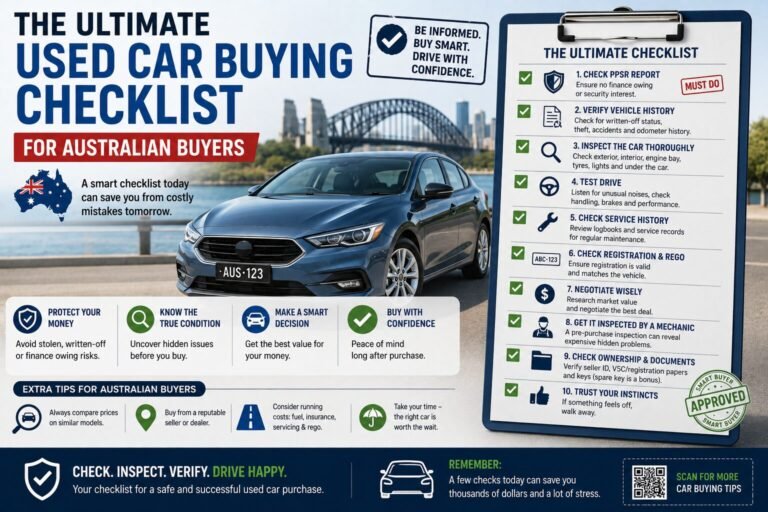
A Personal Property Securities Register check costs a small fee and takes only a few minutes, yet a surprising number of buyers still skip it, often out of overconfidence, time pressure, or simple unfamiliarity with how the process works. Understanding what can actually go wrong when you skip this step helps put that small fee and few minutes of effort into perspective. This article walks through the realistic consequences of buying a vehicle or other asset without a PPSR check, using common scenarios that play out across private sales every year.
Scenario One: Inheriting Someone Else’s Car Loan
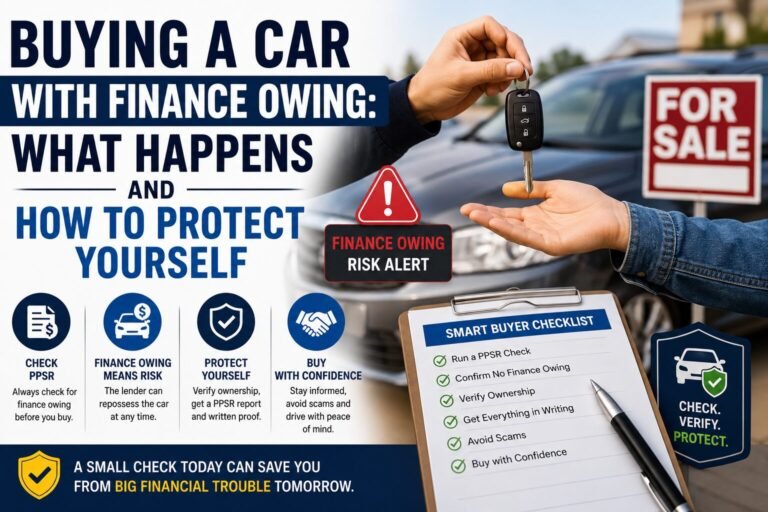
The most common risk is straightforward: you buy a car privately, hand over the agreed price, and register it in your name, only to later discover the previous owner still owed money on it. Because the loan was secured against the vehicle itself rather than just the person who bought it, the finance company retains the legal right to repossess the car from you, the current owner, even though you paid a fair price to someone else entirely. Recovering your money from the seller afterward can be difficult, time consuming and sometimes impossible if they have spent the funds or disappeared.
Scenario Two: Buying a Vehicle That Gets Repossessed
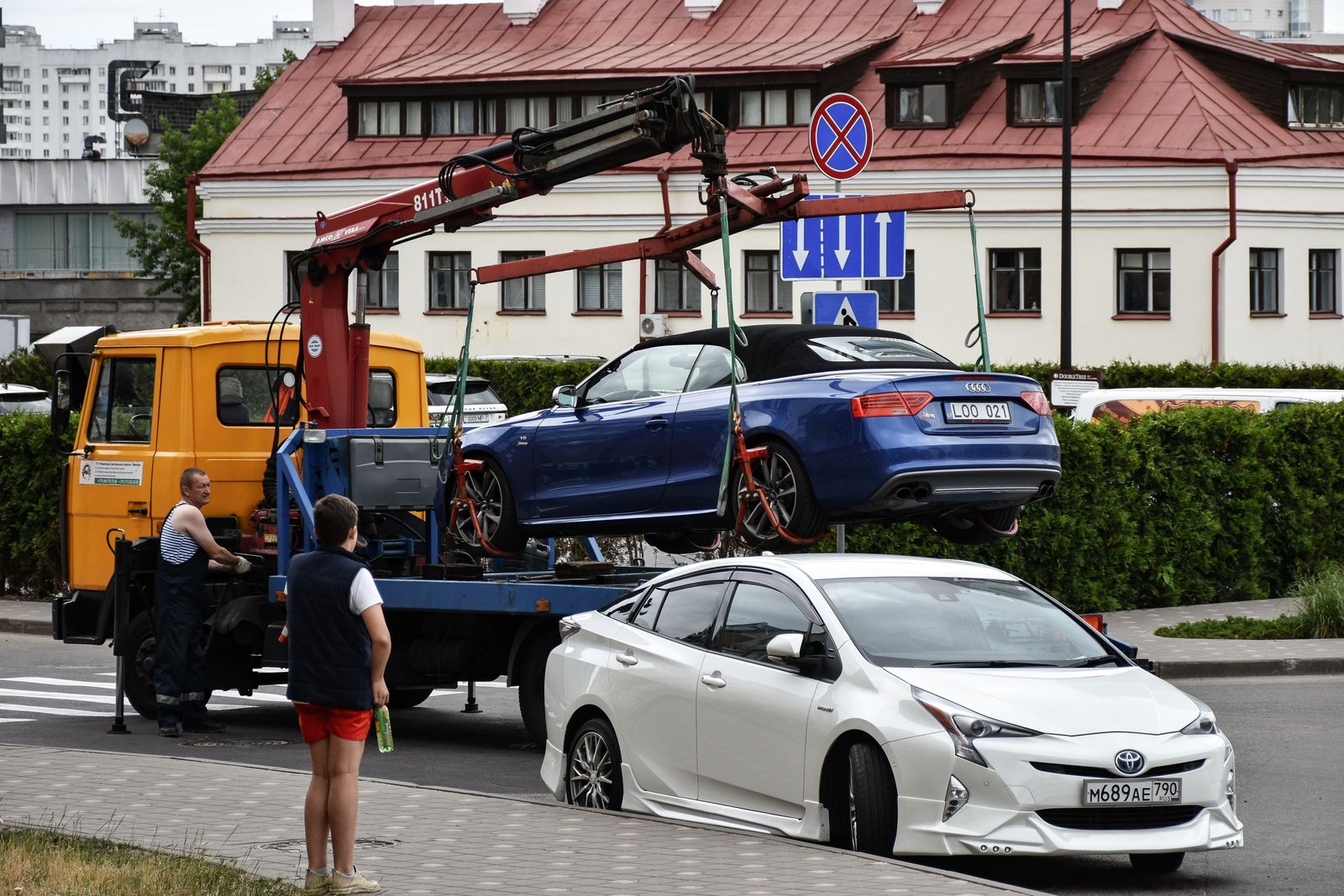
Repossession does not require a court order in many cases once a security interest is properly registered and the underlying loan is in default. This means a finance company can arrange to have the vehicle collected directly, sometimes with very little warning to the new, unsuspecting owner. Buyers in this situation are often left without the vehicle and without their purchase money, having to pursue the original seller separately through small claims processes or civil action, a process that can take months and does not guarantee any money is actually recovered.
Scenario Three: Discovering the Issue at Resale
Sometimes the consequences of skipping a check do not appear immediately. You buy a vehicle, use it for months or years, and only discover a problem when you go to sell it and a prospective buyer’s own PPSR search reveals an old, unresolved registration. This can derail your sale, force you to prove the debt is not yours, and in some cases require you to track down the original owner or financier to sort out paperwork for a debt you never even knew existed at the time of your purchase.
Scenario Four: Business Assets and Chattel Mortgages
The risk is not limited to personal vehicles. Businesses that purchase equipment, machinery or commercial vehicles without checking the PPSR can find themselves with an asset subject to a chattel mortgage or equipment finance arrangement, potentially disrupting operations if the asset is repossessed during a critical period. For a business, this can mean lost productivity, contractual penalties for missed deadlines, and reputational damage with clients, on top of the direct financial loss of the asset and purchase price.
Why These Scenarios Are More Common Than People Expect
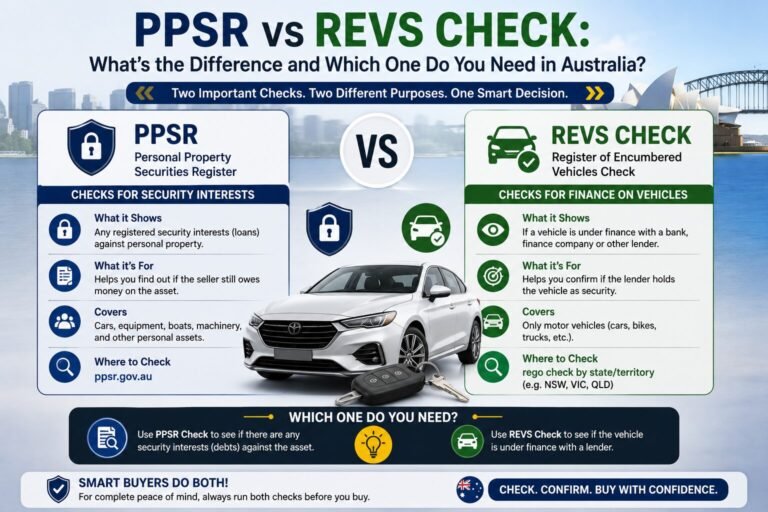
Private sales, informal family transactions and quick cash deals are all situations where sellers may not disclose existing finance, sometimes because they are unaware the debt has not been discharged, and sometimes because they are deliberately avoiding the topic. The PPSR was specifically established to give buyers an independent way to verify this information without relying purely on the seller’s word, which is precisely why skipping the check removes your main safeguard against exactly these situations.
Putting the Risk in Perspective
Weighed against the price of a used car, boat, trailer or piece of machinery, the cost and time involved in a PPSR search is minor, yet it directly addresses the single biggest legal risk in a private purchase. Buyers who skip this step are effectively betting that the seller is honest and that no registered interest exists, a bet that occasionally does not pay off, sometimes with serious financial consequences that far outweigh the modest cost of checking in the first place.
What to Do if You Are Already in This Situation
If you suspect you may have already purchased a vehicle or asset with an undisclosed security interest, run a PPSR search immediately to confirm the situation rather than waiting and hoping it resolves itself. If a registration is confirmed, contact the secured party to understand the outstanding amount and discuss options, and seek advice from a consumer protection body or legal professional if the seller is unresponsive or the amount involved is significant. Acting quickly generally gives you more options than waiting until a repossession attempt or a failed resale forces the issue.
Skipping a PPSR check might save you a few minutes and a small fee, but the scenarios above show how quickly that decision can turn into a much larger financial and legal problem. Running the search before you pay is one of the simplest, most effective steps you can take to protect yourself in any private purchase involving a vehicle, vessel or piece of equipment.