How to Remove a Registered Security Interest After Paying Off a Car Loan
Making your final car loan repayment feels like crossing the finish line, but that last payment does not automatically clear the registered security interest sitting against your vehicle on the Personal Property Securities Register. Until that entry is formally discharged, your car can still show up as encumbered to anyone who runs a search, including a future buyer, a trade-in dealer or even your own finance provider if you try to refinance. Understanding how discharge works, who is responsible for it and how to confirm it has actually happened will save you an awkward conversation the day you decide to sell.
Why the Security Interest Doesn’t Disappear Automatically
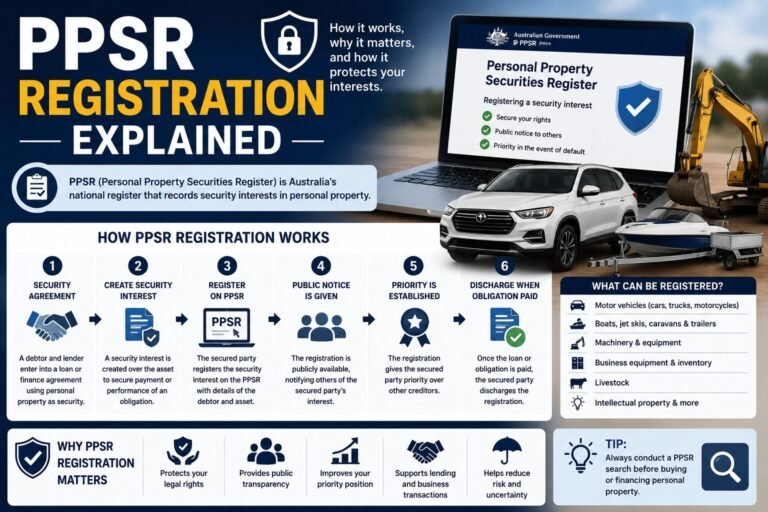
A registration on the PPSR is a separate legal record from your loan account balance. When you make your last repayment, your bank or finance company’s internal system marks the loan as closed, but that does not trigger an automatic update to the public register in every case. The financier needs to actively lodge a discharge, or the registration needs to reach its expiry date, whichever comes first. Because these are two different systems, a paid off loan and an outdated registration can coexist for weeks or even months if nobody follows up.
Who Is Responsible for Discharging the Registration
Legally, the secured party, meaning the bank or finance company that registered the interest, is responsible for removing it once the debt is satisfied. Most reputable lenders do this within a matter of days to a few weeks after final payment, often as a routine part of their loan closure process. However, delays do happen, particularly with smaller finance companies, novated lease providers, or when a loan has been paid out early or refinanced through a different lender. As the borrower, you are not legally required to chase this up, but doing so protects you from complications later.
How to Check If Your Interest Has Been Removed
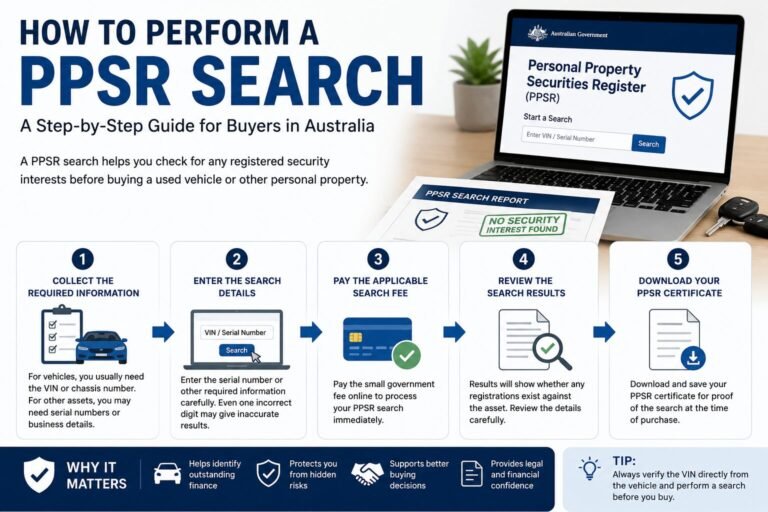
The simplest way to confirm discharge is to run your own PPSR search using your vehicle’s VIN once you believe the loan has been finalised. The resulting certificate will either show no current registrations, confirming the discharge has gone through, or it will still list the original secured party if the update has not yet been processed. It is worth running this check a few weeks after your final payment rather than immediately, since same day discharge is uncommon, and running a search too early may simply show the same result you expected before paying off the loan.
What to Do If the Financier Hasn’t Discharged It
If a search still shows an active registration well after your loan should be closed, contact the financier directly and ask them to confirm the account is settled and request a discharge of the registration. Keep a record of your final payment confirmation and any loan closure letter, as you may need to reference these when following up. Most finance companies have a dedicated team for PPSR administration and can process a discharge quickly once notified, though it is reasonable to ask for a specific timeframe and follow up again if it is not met.
Timeframes You Should Expect
There is no single legislated timeframe for discharging a registration after a loan is paid out, but as a general guide, most mainstream lenders complete this within two to four weeks. Registrations also carry their own expiry dates set when they were first lodged, often up to seven years, so an old registration will not necessarily disappear on its own soon after your loan ends. If you plan to sell or trade in your vehicle shortly after your final payment, it is worth allowing extra time for the discharge to be processed rather than assuming it will happen instantly.
Why This Matters When You Sell the Car
Buyers and dealers routinely run a PPSR check before completing a purchase, and a registration that should have been discharged but was not will appear as a red flag, even if your loan is genuinely paid off. This can delay a sale, cause a buyer to walk away, or force you to scramble for proof of payment at short notice. Confirming discharge well ahead of any sale means you can hand over a clean certificate along with the car, giving the buyer confidence and avoiding last minute complications.
It is also worth checking your PPSR record before you go looking for finance on your next vehicle, since some lenders will hesitate to approve new credit if an old, unrelated registration appears against your name or a linked asset. Clearing up any outstanding discharge issues promptly keeps your financial record tidy and avoids confusion when applying for future finance.
Paying off a car loan is a milestone worth celebrating, but it is not the final step in fully clearing your vehicle’s legal record. A quick PPSR search a few weeks after your last payment confirms the job is truly done, and if it is not, you now know exactly who to contact and what to ask for to get it sorted before it becomes a problem.