PPSR Search by VIN vs Chassis Number vs Serial Number: What’s the Difference?
When you sit down to run a Personal Property Securities Register search, the first thing you need is the right identifying number for the asset, and this is where many first time searchers get stuck. Cars, motorcycles, trailers, boats and machinery are not all identified the same way, and using the wrong type of number, or entering a correct number in the wrong field, can produce a search result that looks clean but is actually meaningless. This guide breaks down the difference between a VIN, a chassis number and a serial number, and explains which one applies to the asset you are checking.
What Is a VIN and When Do You Use It
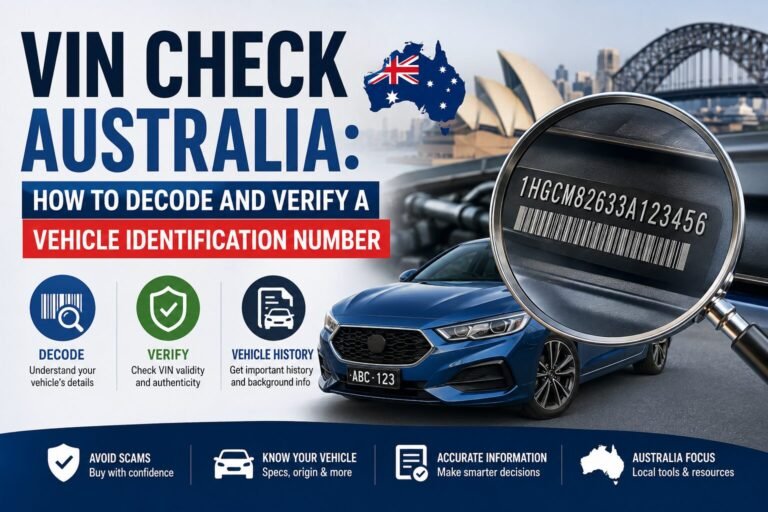
A Vehicle Identification Number is a standardised 17 character code used on virtually all cars, utes and light commercial vehicles manufactured from the 1980s onward. It encodes information about the manufacturer, model, plant of manufacture and a unique serial sequence, and it is the primary reference used for a PPSR search on modern passenger vehicles. You will usually find it on a plate at the base of the windscreen, on the driver’s side door jamb, or on the vehicle’s registration papers and compliance plate. Because the VIN format is standardised, it is the most reliable and widely searchable identifier available for road vehicles.
What Is a Chassis Number and Which Vehicles Use It
Older vehicles, imported vehicles built before VIN standardisation, and some motorcycles and trailers are identified by a chassis number instead of a full VIN. A chassis number is typically shorter and follows a format specific to the manufacturer rather than an international standard, which means two different brands might use completely different numbering conventions. When searching the PPSR for a classic car, an early model motorcycle or an older trailer, you may need to select the chassis number search option rather than the VIN option, since entering a chassis number into a VIN field will usually return no result even if the number itself is correct.
What Is a Serial Number and Where It Applies
Machinery, equipment, boats, caravans, jet skis and many trailers are searched using a serial number rather than a VIN or chassis number, since these assets typically fall outside the standard automotive identification system. Tractors, forklifts, generators and similar equipment usually have a manufacturer’s serial number stamped on a plate near the engine or frame, while boats are identified by a Hull Identification Number, which functions similarly to a serial number in the PPSR system. Always check the specific asset class you are searching, as the register groups these categories separately and searching under the wrong class will not surface an existing registration.
Why Using the Wrong Field Produces a False Sense of Security
One of the most common and costly mistakes buyers make is assuming that any search, regardless of which number type was entered, will catch a registered security interest. In reality, if you enter a correct chassis number into a VIN search field, or search a serial number under the wrong asset class, the system may return no matching registrations, not because the asset is clear, but because the search simply did not match how the interest was originally registered. This can create a false sense of security that is arguably worse than not searching at all, since it gives buyers unwarranted confidence.
How to Confirm You Have the Right Number Before Searching
Before running your search, cross reference the number on the vehicle or equipment itself against any registration papers, compliance plates or manufacturer documentation the seller can provide. If the asset is a car or motorcycle manufactured after the mid 1980s, a 17 character VIN is almost always the correct choice. For older vehicles, machinery, boats and trailers, take a photo of the identification plate and, if you are unsure which category applies, contact the PPSR help line or a search service for guidance rather than guessing, since a small mistake here can undermine the entire purpose of the search.
A Quick Reference for Common Asset Types
As a general rule, modern cars and utes use a VIN, older or imported vehicles and many motorcycles use a chassis number, and machinery, boats, caravans and most trailers use a serial number or Hull Identification Number. Knowing which category your purchase falls into before you start searching saves time and, more importantly, ensures the result you receive actually reflects the legal status of the asset rather than simply confirming that you searched the wrong field.
Running a PPSR search only protects you if the identifying number matches the way the asset was registered in the first place. Taking a few extra minutes to confirm whether you are dealing with a VIN, a chassis number or a serial number is a small step that makes the difference between a genuinely clear result and a false one, so it is always worth getting right before you commit to a purchase.