
Grey Imports and PPSR: What to Check Before Buying an Imported Vehicle in Australia
Grey import vehicles, meaning cars and motorcycles brought into Australia outside of an official manufacturer distribution channel, have become increasingly popular with buyers chasing performance models, unique specifications or vehicles never officially sold here. Popular examples include Japanese domestic market sports cars, UK market vehicles converted to right hand drive markets, and specialist European models imported privately. While these vehicles can be exciting to own, they come with a layer of complexity that standard local purchases do not, and a Personal Property Securities Register check is only one part of the due diligence a grey import buyer needs to complete.
Why Grey Imports Carry Extra Risk
Unlike a car bought from an Australian dealership, a grey import may have changed hands several times across different countries before arriving here, each transfer potentially involving its own finance arrangement, ownership dispute or legal complication. Import compliance plates, engineering certification and registration history can also be harder to verify, since some of the paper trail exists in a foreign jurisdiction that the PPSR has no visibility over. This means a clean Australian PPSR result confirms the vehicle is free of finance registered in Australia, but it cannot tell you anything about finance or legal claims that may still exist overseas.
Running a PPSR Check on an Imported Vehicle
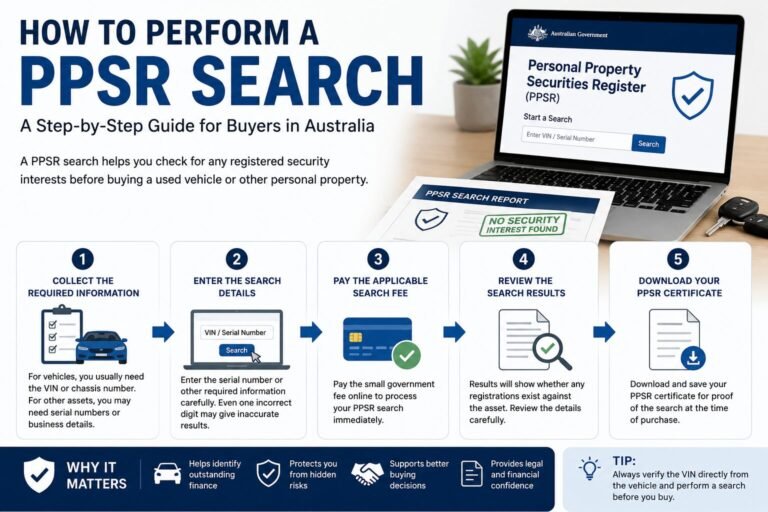
Once a grey import has been granted an Australian VIN or compliance plate and registered locally, it can be searched on the PPSR the same way as any other vehicle, using that Australian identifying number. It is important to search using the number assigned after compliance and registration in Australia, not the original manufacturer chassis number from the country of origin, since the two may be recorded differently once the vehicle enters the local system. If a vehicle has only recently been imported and is not yet registered, a search may return no useful result at all, which is a reason for caution rather than reassurance.
Checking Import Compliance and Registration History
Beyond the PPSR, ask the seller for evidence of import approval, compliance plate certification and the vehicle’s full Australian registration history. A genuine grey import should have paperwork showing it passed the relevant compliance scheme, such as the Registered Automotive Workshop Scheme or Specialist and Enthusiast Vehicle Scheme, depending on when it was imported. Missing or inconsistent compliance documentation is a serious red flag, as it can affect your ability to register, insure or eventually resell the vehicle, regardless of what the PPSR search shows.
Insurance and Finance Considerations for Imported Vehicles
Some mainstream insurers are hesitant to cover grey imports, or they apply higher premiums and stricter conditions due to limited parts availability and unfamiliar safety data. If you plan to finance the purchase, be aware that some lenders are similarly cautious about accepting grey imports as security, which can limit your finance options or affect the interest rate offered. Confirming insurance and finance availability before you commit to a purchase avoids a situation where you own a vehicle that is difficult or expensive to protect and finance.
Red Flags to Watch For When Buying a Grey Import
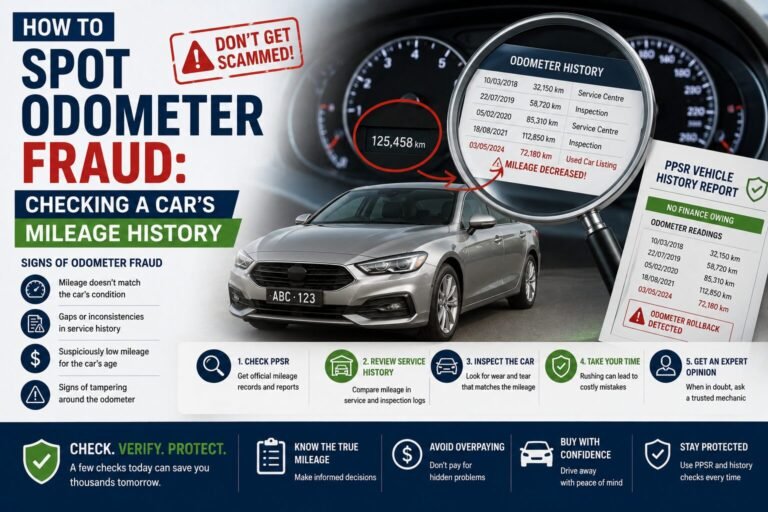
Be wary of sellers who cannot produce clear compliance documentation, who rush the sale, or who discourage you from running independent checks. Odometer readings that do not match the vehicle’s apparent age or condition, inconsistent VIN or chassis stampings across different parts of the vehicle, and registration papers that do not match the seller’s name are all signs that warrant closer investigation before you proceed. A grey import that seems significantly cheaper than comparable local market vehicles should prompt extra scrutiny rather than excitement.
Working With a Reputable Import Specialist
Many of the risks associated with grey imports can be reduced significantly by working with an established, reputable import and compliance specialist rather than buying privately from an unfamiliar seller. Reputable importers typically maintain detailed records of a vehicle’s origin, compliance process and any work carried out during conversion, and they are generally willing to provide this documentation upfront. Ask for references from previous customers, check how long the business has been operating, and confirm they are registered under the relevant compliance scheme before you commit to a deposit.
It is also worth budgeting for an independent pre purchase inspection from a mechanic experienced with the specific model and import market, since general workshops may not be familiar with the quirks of a Japanese or European market vehicle. This inspection, combined with your PPSR search and compliance document review, rounds out a thorough due diligence process that protects you from the layered risks that come with buying outside the standard local supply chain.
Grey imports can be a rewarding way to own a vehicle you could not otherwise get in Australia, but the extra steps involved in the supply chain mean a PPSR check alone will not give you the complete picture. Combining a local PPSR search with careful verification of compliance documents, import history and insurance availability gives you a much clearer view of what you are actually buying before you commit your money.